Get Pregnant With Irregular Periods: What Every Woman Should Know
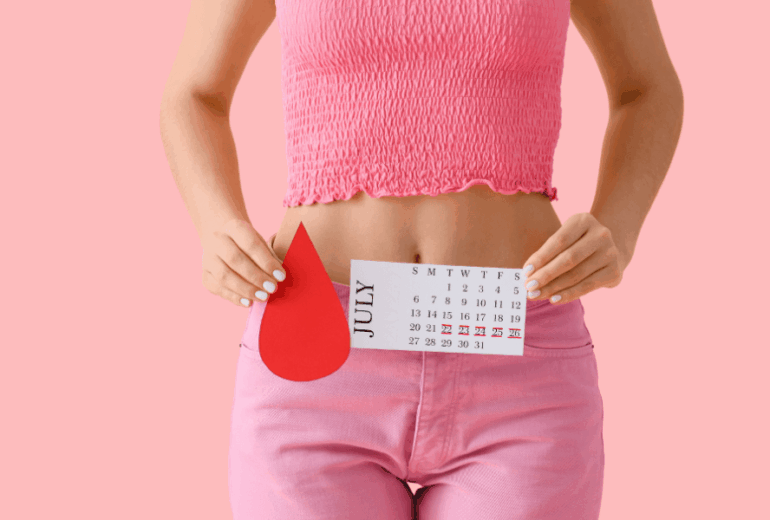
Trying to get pregnant with irregular periods can feel frustrating and confusing. Many women rely on their menstrual cycle to understand when they are fertile, but when periods arrive unexpectedly or vary significantly from month to month, predicting ovulation becomes much more difficult.
At IVF Serum Clinic in Athens, we regularly meet women who worry that irregular cycles mean they cannot conceive naturally. The good news is that having irregular periods does not automatically mean you are infertile. Many women with irregular cycles successfully become pregnant naturally or with the support of fertility treatment.
Understanding why your cycle is irregular is often the first step toward improving your chances of pregnancy.
Can You Get Pregnant With Irregular Periods?
The simple answer is yes.
Many women can still get pregnant with irregular periods, particularly if ovulation is still occurring. The challenge is that ovulation may happen at different times each month, making it harder to identify your fertile window.
Pregnancy occurs when a healthy egg is released and fertilised by sperm. If ovulation happens irregularly, conception is still possible, but timing intercourse becomes less predictable.
For this reason, women with irregular cycles often benefit from fertility monitoring and a personalised evaluation to better understand their reproductive health.
Why Do Irregular Periods Happen?
A menstrual cycle is considered irregular when its length changes significantly from month to month or when periods occur very infrequently.
Several factors may contribute to irregular cycles, including:
Polycystic Ovary Syndrome (PCOS)
PCOS is one of the most common causes of irregular ovulation and infertility. Women with PCOS may experience infrequent periods, hormone imbalances, acne, weight gain, or difficulty conceiving.
Thyroid Disorders
Both underactive and overactive thyroid conditions can affect hormone production and menstrual regularity.
Stress and Emotional Health
Chronic stress can interfere with communication between the brain and reproductive hormones, sometimes delaying or preventing ovulation.
Weight Changes
Being significantly underweight or overweight can influence hormone balance and affect menstrual cycles.
Perimenopause
For women approaching their forties, changing hormone levels may lead to increasingly irregular cycles.
How Do I Know If I Am Ovulating?
One of the biggest challenges when trying to get pregnant with irregular periods is identifying ovulation.
Even if periods are unpredictable, there are signs that ovulation may still be occurring:
- Changes in cervical mucus
- Mild pelvic discomfort around ovulation
- Increased libido
- Breast tenderness
- Positive ovulation predictor tests
Tracking these signs can help identify fertile days.
However, women with conditions such as PCOS may receive misleading ovulation test results. In these cases, ultrasound monitoring and hormone testing can provide more accurate answers.
How Can I Increase My Chances of Pregnancy?
If you are trying to conceive with irregular cycles, there are several steps that may improve your chances.
Track Your Cycle Consistently
Even irregular cycles often follow patterns over time. Recording cycle lengths, symptoms, and ovulation signs can provide valuable information.
Maintain a Healthy Weight
Weight management can improve ovulation and reproductive hormone balance.
Follow a Mediterranean Diet
The Mediterranean diet, rich in vegetables, fruits, fish, olive oil, and whole grains, is associated with better fertility outcomes and improved reproductive health.
Reduce Stress Levels
Stress management techniques such as yoga, walking, mindfulness, and adequate sleep may help support hormonal balance.
Stop Smoking
Smoking affects egg quality, ovarian reserve, and overall fertility potential.
When Should You See a Fertility Specialist?
Many women wonder how long they should keep trying before seeking help.
You should consider speaking with a fertility specialist if:
- You are under 35 and have been trying for 12 months
- You are over 35 and have been trying for 6 months
- Your periods are absent or extremely irregular
- You have been diagnosed with PCOS or endometriosis
- You have experienced previous miscarriages
Early assessment often provides answers and treatment options before valuable time is lost.
What Fertility Tests May Be Recommended?
At IVF Serum Clinic, fertility evaluation may include:
- Hormonal testing
- AMH testing for ovarian reserve
- Ultrasound assessment
- Ovulation monitoring
- Thyroid function testing
- Evaluation of the uterine cavity
- Semen analysis for the male partner
These investigations help identify the underlying cause of irregular cycles and guide personalised treatment recommendations.
Can IVF Help Women With Irregular Periods?
In some cases, yes.
Women with irregular periods caused by ovulation disorders, PCOS, diminished ovarian reserve, or unexplained infertility may benefit from fertility treatments including ovulation induction, IUI, or IVF in Greece.
At IVF Serum Clinic in Athens, treatment plans are tailored to each woman’s specific fertility profile. The goal is not simply to treat symptoms but to understand the root cause and create the most effective pathway toward pregnancy.
Don’t Lose Hope
Trying to get pregnant with irregular periods can be emotionally challenging, but irregular cycles do not mean motherhood is out of reach.
Many women who once believed pregnancy would be difficult have gone on to conceive naturally or through fertility treatment after identifying and addressing the factors affecting their cycles.
At IVF Serum Clinic in Greece, our team combines advanced fertility testing, personalised care, and years of reproductive expertise to help women understand their fertility and move forward with confidence.
Every fertility journey is unique, and sometimes understanding your cycle is the first step toward achieving your dream of becoming a parent.
Don’t wait any longer to start your journey,
we are here to help and support you every step of the way.
BOOK YOUR FREE ONLINE CONSULTATION NOW
Our expert guidance can assist you in taking the first step
towards realizing your dream.
Get Pregnant With Irregular Periods: What Every Woman Should Know
Trying to get pregnant with irregular periods can feel frustrating and confusing. Many women rely on their menstrual cycle to understand when they are fertile, but when periods arrive unexpectedly or vary significantly from month to month, predicting ovulation becomes much more difficult.
At IVF Serum Clinic in Athens, we regularly meet women who worry that irregular cycles mean they cannot conceive naturally. The good news is that having irregular periods does not automatically mean you are infertile. Many women with irregular cycles successfully become pregnant naturally or with the support of fertility treatment.
Understanding why your cycle is irregular is often the first step toward improving your chances of pregnancy.
Can You Get Pregnant With Irregular Periods?
The simple answer is yes.
Many women can still get pregnant with irregular periods, particularly if ovulation is still occurring. The challenge is that ovulation may happen at different times each month, making it harder to identify your fertile window.
Pregnancy occurs when a healthy egg is released and fertilised by sperm. If ovulation happens irregularly, conception is still possible, but timing intercourse becomes less predictable.
For this reason, women with irregular cycles often benefit from fertility monitoring and a personalised evaluation to better understand their reproductive health.
Why Do Irregular Periods Happen?
A menstrual cycle is considered irregular when its length changes significantly from month to month or when periods occur very infrequently.
Several factors may contribute to irregular cycles, including:
Polycystic Ovary Syndrome (PCOS)
PCOS is one of the most common causes of irregular ovulation and infertility. Women with PCOS may experience infrequent periods, hormone imbalances, acne, weight gain, or difficulty conceiving.
Thyroid Disorders
Both underactive and overactive thyroid conditions can affect hormone production and menstrual regularity.
Stress and Emotional Health
Chronic stress can interfere with communication between the brain and reproductive hormones, sometimes delaying or preventing ovulation.
Weight Changes
Being significantly underweight or overweight can influence hormone balance and affect menstrual cycles.
Perimenopause
For women approaching their forties, changing hormone levels may lead to increasingly irregular cycles.
How Do I Know If I Am Ovulating?
One of the biggest challenges when trying to get pregnant with irregular periods is identifying ovulation.
Even if periods are unpredictable, there are signs that ovulation may still be occurring:
- Changes in cervical mucus
- Mild pelvic discomfort around ovulation
- Increased libido
- Breast tenderness
- Positive ovulation predictor tests
Tracking these signs can help identify fertile days.
However, women with conditions such as PCOS may receive misleading ovulation test results. In these cases, ultrasound monitoring and hormone testing can provide more accurate answers.
How Can I Increase My Chances of Pregnancy?
If you are trying to conceive with irregular cycles, there are several steps that may improve your chances.
Track Your Cycle Consistently
Even irregular cycles often follow patterns over time. Recording cycle lengths, symptoms, and ovulation signs can provide valuable information.
Maintain a Healthy Weight
Weight management can improve ovulation and reproductive hormone balance.
Follow a Mediterranean Diet
The Mediterranean diet, rich in vegetables, fruits, fish, olive oil, and whole grains, is associated with better fertility outcomes and improved reproductive health.
Reduce Stress Levels
Stress management techniques such as yoga, walking, mindfulness, and adequate sleep may help support hormonal balance.
Stop Smoking
Smoking affects egg quality, ovarian reserve, and overall fertility potential.
When Should You See a Fertility Specialist?
Many women wonder how long they should keep trying before seeking help.
You should consider speaking with a fertility specialist if:
- You are under 35 and have been trying for 12 months
- You are over 35 and have been trying for 6 months
- Your periods are absent or extremely irregular
- You have been diagnosed with PCOS or endometriosis
- You have experienced previous miscarriages
Early assessment often provides answers and treatment options before valuable time is lost.
What Fertility Tests May Be Recommended?
At IVF Serum Clinic, fertility evaluation may include:
- Hormonal testing
- AMH testing for ovarian reserve
- Ultrasound assessment
- Ovulation monitoring
- Thyroid function testing
- Evaluation of the uterine cavity
- Semen analysis for the male partner
These investigations help identify the underlying cause of irregular cycles and guide personalised treatment recommendations.
Can IVF Help Women With Irregular Periods?
In some cases, yes.
Women with irregular periods caused by ovulation disorders, PCOS, diminished ovarian reserve, or unexplained infertility may benefit from fertility treatments including ovulation induction, IUI, or IVF in Greece.
At IVF Serum Clinic in Athens, treatment plans are tailored to each woman’s specific fertility profile. The goal is not simply to treat symptoms but to understand the root cause and create the most effective pathway toward pregnancy.
Don’t Lose Hope
Trying to get pregnant with irregular periods can be emotionally challenging, but irregular cycles do not mean motherhood is out of reach.
Many women who once believed pregnancy would be difficult have gone on to conceive naturally or through fertility treatment after identifying and addressing the factors affecting their cycles.
At IVF Serum Clinic in Greece, our team combines advanced fertility testing, personalised care, and years of reproductive expertise to help women understand their fertility and move forward with confidence.
Every fertility journey is unique, and sometimes understanding your cycle is the first step toward achieving your dream of becoming a parent.