Magnesium and IVF: Can This Essential Mineral Support Fertility Treatment?
When preparing for fertility treatment, many women focus on medications, hormone levels, and embryo quality. However, nutrition also plays an important role in reproductive health. One nutrient that has gained increasing attention among fertility specialists is magnesium. Understanding the connection between magnesium and IVF can help women make informed decisions as they prepare for pregnancy.
Magnesium is involved in hundreds of biological processes throughout the body. It contributes to energy production, hormone regulation, nervous system function, muscle relaxation, and metabolic health. Because fertility depends on many of these systems working together, magnesium has become an important topic in reproductive medicine.
At IVF Serum Clinic in Athens, we believe fertility preparation extends beyond the treatment cycle itself. Supporting overall health before IVF may help create the best possible conditions for conception and pregnancy.
Why Is Magnesium Important for Fertility?
The relationship between magnesium and IVF begins with the role magnesium plays in reproductive health.
Magnesium helps regulate many hormonal pathways involved in ovulation, menstrual cycles, and implantation. It also contributes to cellular energy production, which is essential for healthy egg development and embryo growth.
Women who experience chronic stress, insulin resistance, poor nutrition, or certain hormonal conditions may have lower magnesium levels than expected. Since these factors can also affect fertility, maintaining adequate magnesium intake is an important part of preconception care.
Magnesium and Egg Quality
One of the most common concerns for women undergoing fertility treatment is egg quality.
Egg development requires significant cellular energy. Magnesium plays a key role in producing ATP, the molecule that powers nearly every cell in the body. Healthy mitochondria and efficient energy production are essential for optimal egg maturation.
Although magnesium alone cannot improve egg quality, adequate levels may support the cellular processes involved in ovarian function.
For women with diminished ovarian reserve or those pursuing IVF after age 35, fertility specialists often recommend a comprehensive approach that includes nutrition, lifestyle optimisation, and personalised medical care.
Can Magnesium Help Women With PCOS?
Many women seeking IVF treatment have polycystic ovary syndrome (PCOS).
PCOS is often associated with insulin resistance, irregular ovulation, and hormonal imbalances. Research suggests that magnesium may contribute to improved insulin sensitivity and metabolic health, both of which are important for reproductive function.
While magnesium is not a treatment for PCOS, it may be one component of a broader fertility plan designed to support hormonal balance and ovulation.
At IVF Serum Clinic, women with PCOS receive individualised treatment strategies that address both fertility goals and overall health.
Magnesium and Stress During IVF
Fertility treatment can be emotionally demanding.
Many patients experience anxiety, sleep disturbances, and heightened stress levels during IVF cycles. Magnesium is known to support normal nervous system function and may contribute to relaxation and sleep quality.
Although it cannot eliminate the emotional challenges of fertility treatment, maintaining healthy magnesium levels may help support overall wellbeing throughout the IVF journey.
This is one reason why fertility specialists often encourage patients to focus on stress management, nutrition, sleep, and emotional support alongside medical treatment.

Does Magnesium Improve IVF Success Rates?
This is one of the most frequently asked questions regarding magnesium and IVF.
Currently, there is no evidence showing that magnesium supplementation alone directly increases IVF success rates.
However, magnesium contributes to many physiological functions that support reproductive health, including:
- Hormonal regulation
- Blood sugar balance
- Cellular energy production
- Inflammation control
- Nervous system function
Because successful IVF depends on the health of the entire reproductive system, maintaining adequate magnesium intake may help support the body’s natural fertility processes.
What Foods Are Rich in Magnesium?
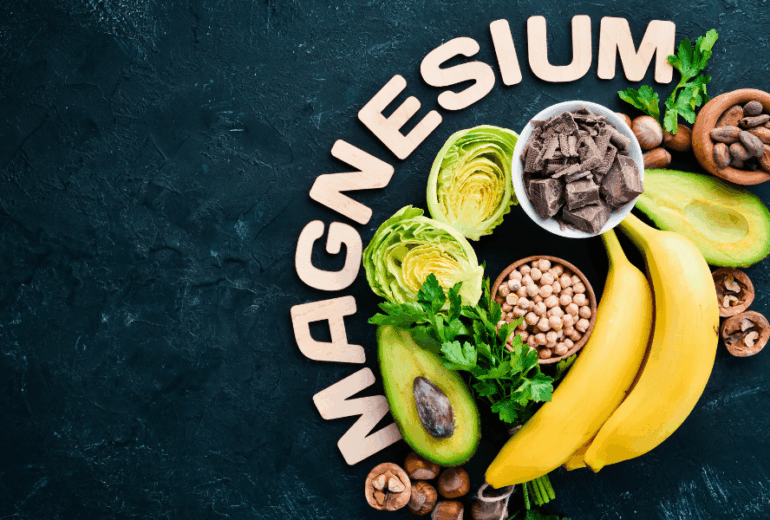
The Mediterranean diet naturally contains many magnesium-rich foods that support fertility health.
Some excellent sources include:
- Spinach and leafy greens
- Almonds
- Pumpkin seeds
- Avocados
- Legumes
- Whole grains
- Salmon
- Cashews
These foods also provide antioxidants, healthy fats, and essential nutrients that support reproductive wellness.
For many women, obtaining magnesium through a balanced diet is the preferred approach.
Should You Take Magnesium Supplements Before IVF?
Supplementation is not necessary for everyone.
The decision to take magnesium supplements should always be discussed with a healthcare professional or fertility specialist. Individual needs vary depending on diet, medical history, medications, and overall health.
Excessive supplementation is not beneficial and can sometimes cause unwanted side effects.
A personalised fertility assessment can help determine whether nutritional support may be appropriate.
Magnesium and IVF: A Holistic Approach to Fertility
The connection between magnesium and IVF highlights an important principle in fertility care. Successful treatment is not only about laboratory techniques and medications. It also involves supporting the body’s overall health and reproductive environment.
At IVF Serum Clinic in Greece, we combine advanced reproductive medicine with a holistic understanding of fertility. From ovarian reserve assessment and embryo development to nutrition and lifestyle guidance, every aspect of treatment is tailored to the individual patient.
While magnesium is not a magic solution, it remains an important nutrient that supports many of the systems involved in fertility, pregnancy, and long-term reproductive health.
Final Thoughts
Understanding the relationship between magnesium and IVF can help women take a more comprehensive approach to fertility preparation. Healthy nutrition, balanced hormone function, metabolic wellbeing, and personalised medical care all work together to support reproductive success.
At IVF Serum Clinic in Athens, we help patients navigate every stage of their fertility journey with evidence-based care, advanced treatment options, and personalised support designed around their unique needs.
Don’t wait any longer to start your journey,
we are here to help and support you every step of the way.
BOOK YOUR FREE ONLINE CONSULTATION NOW
Our expert guidance can assist you in taking the first step
towards realizing your dream.
Magnesium and IVF: Can This Essential Mineral Support Fertility Treatment?
When preparing for fertility treatment, many women focus on medications, hormone levels, and embryo quality. However, nutrition also plays an important role in reproductive health. One nutrient that has gained increasing attention among fertility specialists is magnesium. Understanding the connection between magnesium and IVF can help women make informed decisions as they prepare for pregnancy.
Magnesium is involved in hundreds of biological processes throughout the body. It contributes to energy production, hormone regulation, nervous system function, muscle relaxation, and metabolic health. Because fertility depends on many of these systems working together, magnesium has become an important topic in reproductive medicine.
At IVF Serum Clinic in Athens, we believe fertility preparation extends beyond the treatment cycle itself. Supporting overall health before IVF may help create the best possible conditions for conception and pregnancy.
Why Is Magnesium Important for Fertility?
The relationship between magnesium and IVF begins with the role magnesium plays in reproductive health.
Magnesium helps regulate many hormonal pathways involved in ovulation, menstrual cycles, and implantation. It also contributes to cellular energy production, which is essential for healthy egg development and embryo growth.
Women who experience chronic stress, insulin resistance, poor nutrition, or certain hormonal conditions may have lower magnesium levels than expected. Since these factors can also affect fertility, maintaining adequate magnesium intake is an important part of preconception care.
Magnesium and Egg Quality
One of the most common concerns for women undergoing fertility treatment is egg quality.
Egg development requires significant cellular energy. Magnesium plays a key role in producing ATP, the molecule that powers nearly every cell in the body. Healthy mitochondria and efficient energy production are essential for optimal egg maturation.
Although magnesium alone cannot improve egg quality, adequate levels may support the cellular processes involved in ovarian function.
For women with diminished ovarian reserve or those pursuing IVF after age 35, fertility specialists often recommend a comprehensive approach that includes nutrition, lifestyle optimisation, and personalised medical care.
Can Magnesium Help Women With PCOS?
Many women seeking IVF treatment have polycystic ovary syndrome (PCOS).
PCOS is often associated with insulin resistance, irregular ovulation, and hormonal imbalances. Research suggests that magnesium may contribute to improved insulin sensitivity and metabolic health, both of which are important for reproductive function.
While magnesium is not a treatment for PCOS, it may be one component of a broader fertility plan designed to support hormonal balance and ovulation.
At IVF Serum Clinic, women with PCOS receive individualised treatment strategies that address both fertility goals and overall health.
Magnesium and Stress During IVF
Fertility treatment can be emotionally demanding.
Many patients experience anxiety, sleep disturbances, and heightened stress levels during IVF cycles. Magnesium is known to support normal nervous system function and may contribute to relaxation and sleep quality.
Although it cannot eliminate the emotional challenges of fertility treatment, maintaining healthy magnesium levels may help support overall wellbeing throughout the IVF journey.
This is one reason why fertility specialists often encourage patients to focus on stress management, nutrition, sleep, and emotional support alongside medical treatment.
Does Magnesium Improve IVF Success Rates?
This is one of the most frequently asked questions regarding magnesium and IVF.
Currently, there is no evidence showing that magnesium supplementation alone directly increases IVF success rates.
However, magnesium contributes to many physiological functions that support reproductive health, including:
- Hormonal regulation
- Blood sugar balance
- Cellular energy production
- Inflammation control
- Nervous system function
Because successful IVF depends on the health of the entire reproductive system, maintaining adequate magnesium intake may help support the body’s natural fertility processes.
What Foods Are Rich in Magnesium?
The Mediterranean diet naturally contains many magnesium-rich foods that support fertility health.
Some excellent sources include:
- Spinach and leafy greens
- Almonds
- Pumpkin seeds
- Avocados
- Legumes
- Whole grains
- Salmon
- Cashews
These foods also provide antioxidants, healthy fats, and essential nutrients that support reproductive wellness.
For many women, obtaining magnesium through a balanced diet is the preferred approach.
Should You Take Magnesium Supplements Before IVF?
Supplementation is not necessary for everyone.
The decision to take magnesium supplements should always be discussed with a healthcare professional or fertility specialist. Individual needs vary depending on diet, medical history, medications, and overall health.
Excessive supplementation is not beneficial and can sometimes cause unwanted side effects.
A personalised fertility assessment can help determine whether nutritional support may be appropriate.
Magnesium and IVF: A Holistic Approach to Fertility
The connection between magnesium and IVF highlights an important principle in fertility care. Successful treatment is not only about laboratory techniques and medications. It also involves supporting the body’s overall health and reproductive environment.
At IVF Serum Clinic in Greece, we combine advanced reproductive medicine with a holistic understanding of fertility. From ovarian reserve assessment and embryo development to nutrition and lifestyle guidance, every aspect of treatment is tailored to the individual patient.
While magnesium is not a magic solution, it remains an important nutrient that supports many of the systems involved in fertility, pregnancy, and long-term reproductive health.
Final Thoughts
Understanding the relationship between magnesium and IVF can help women take a more comprehensive approach to fertility preparation. Healthy nutrition, balanced hormone function, metabolic wellbeing, and personalised medical care all work together to support reproductive success.
At IVF Serum Clinic in Athens, we help patients navigate every stage of their fertility journey with evidence-based care, advanced treatment options, and personalised support designed around their unique needs.